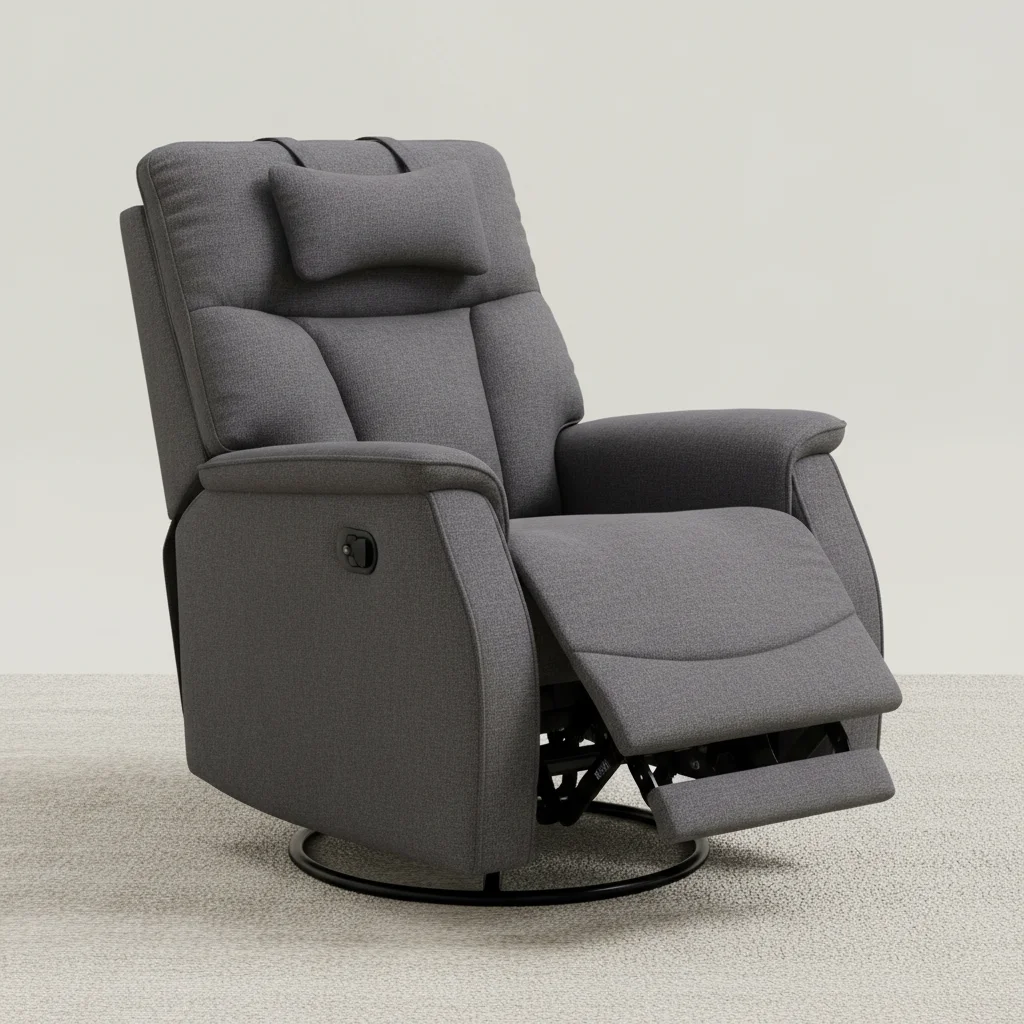
Finding the right recliner chair can significantly alleviate discomfort for individuals suffering from degenerative disc disease. The key is to choose a chair that provides proper lumbar support, promotes good spinal alignment, and offers customizable recline positions. There are typically five critical features to look for when selecting a recliner for this condition.
Understanding Degenerative Disc Disease and Recliner Needs
Degenerative disc disease (DDD) is a condition where the discs between your vertebrae break down, leading to pain and instability. For those with DDD, prolonged sitting in an unsupportive chair can exacerbate symptoms. A recliner designed to support the natural curve of the spine, particularly the lumbar region, is crucial. Look for models that allow for a zero-gravity position, which can decompress the spine and reduce pressure on the discs.
Key Features for DDD Recliner Chairs
When selecting a recliner for degenerative disc disease, several features stand out as essential. First, adjustable lumbar support is paramount. Some recliners offer inflatable or manual lumbar adjustments, allowing you to customize the support to your specific needs. Second, consider the recline mechanism; a power recliner offers smooth, precise adjustments without straining your back. Third, look for chairs with a wide range of recline angles, including a full recline or zero-gravity option, which can help distribute body weight evenly and reduce spinal compression.
- Adjustable lumbar support for personalized comfort.
- Power recline mechanism for smooth, strain-free adjustments.
- Zero-gravity recline option to decompress the spine.
- Firm yet comfortable cushioning to prevent sinking.
- Easy-to-reach controls for effortless operation.
Material and Ergonomics for Pain Relief
|
Our Picks for the Best Recliner Chair in 2026
As an Amazon Associate I earn from qualifying purchases.
|
||
| Num | Product | Action |
|---|---|---|
| 1 | Garvee Elertric Recliner Chair with Memory Function PU Leather, Adjustable Single Recliners Sofa with Remote Control for Adults, Home Theater Seating &Armchair for Living Room/Office |

|
| 2 | Power Recliner Chair for Adults with Massage and Heat, Swivel Oversized Leather Recliner Chair with USB Ports & Side Pockets for Living Room (22" Medium-Seat Width,Gray) |
|
| 3 | Garvee Elertric Recliner Chair with Memory Function Adjustable Single Recliners Sofa with Remote Control for Adults, Home Theater Seating &Armchair for Living Room/Office (Light Khaki, Fabric) |
|
| 4 | Lazy Chair with Ottoman, Large Dark Grey Accent Chair with Ottoman, Comfy Reading Armchair, Leisure Sofa Chair for Living Room, Bedroom, Dorm Room, Office |
|
| 5 | Signature Design by Ashley Foreside Contemporary Nuvella Manual Rocker Recliner with Head-Neck Support and Pillow-Top Arms, Gray |
|
| 6 | Tiita Lazy Chair with Ottoman, Gray Modern Large Accent Chair, Comfy Leisure Sofa Armchair with Ottoman, Reading Chair with Footrest for Bedroom, Living Room, Dorm Rooms, Garden Dark Grey |
|
| 7 | MCombo Dual Motor Large Power Lift Recliner Chair for Elderly, Lay Flat Lift Chair with Heat and Massage, Big Lift Recliner for Tall People, Cup Holders, Fabric 7896 (Large, Dark Gray) |
|
| 8 | Plush Linen Fabric Massage Rocker Recliner Chair Oversized Design with Manual Massage and Heat Two Cup Holders and USB Port for Living Room (Blue) |
|
| 9 | MAXYOYO Accent Chair with Ottoman Adjustable Backrest, Tufted Living Room Chair Upholstered Lounge Chair with Footrest Set, Modern Chair Cozy Reclining Chair for Reading Room, Green |
|
| 10 | Recliner Chair,Electric Adjustable Chenille Recliner with Remote Control and Padded Backrest,Home Theater Recliner Single Sofa Seat with Thick Seat Cushion for Living Room Bedroom (Grey) |
|
The material and overall ergonomics of the recliner play a significant role in comfort and pain relief. A chair with high-density foam cushioning provides firm support without being too hard, preventing your body from sinking into an uncomfortable position. Breathable fabrics like microfiber or certain leathers can also enhance comfort, especially during longer periods of use. Ensure the chair’s dimensions are appropriate for your body size, allowing your feet to rest flat on the floor when not reclined and providing adequate head and neck support.
Considering Additional Comfort Features
Beyond the core support features, some additional elements can enhance the experience for those with degenerative disc disease. Built-in heat therapy can help relax muscles and improve blood circulation, while gentle massage functions can further alleviate tension. While not a primary requirement, these features can provide supplementary relief. Always prioritize the fundamental ergonomic support over secondary features, but if available and within budget, they can be beneficial.
Maintenance and Longevity of Your Recliner
To ensure your recliner continues to provide optimal support and comfort, regular maintenance is important. Keep the upholstery clean according to the manufacturer’s instructions, and periodically check the recline mechanism for any signs of wear or stiffness. A well-maintained recliner will not only last longer but also consistently deliver the therapeutic benefits needed for managing degenerative disc disease. Investing in a high-quality chair from a reputable brand often means better construction and more durable components, leading to greater longevity and consistent performance.
Get our weekly buyer guide
Practical specs, not advice. Unsubscribe anytime.
