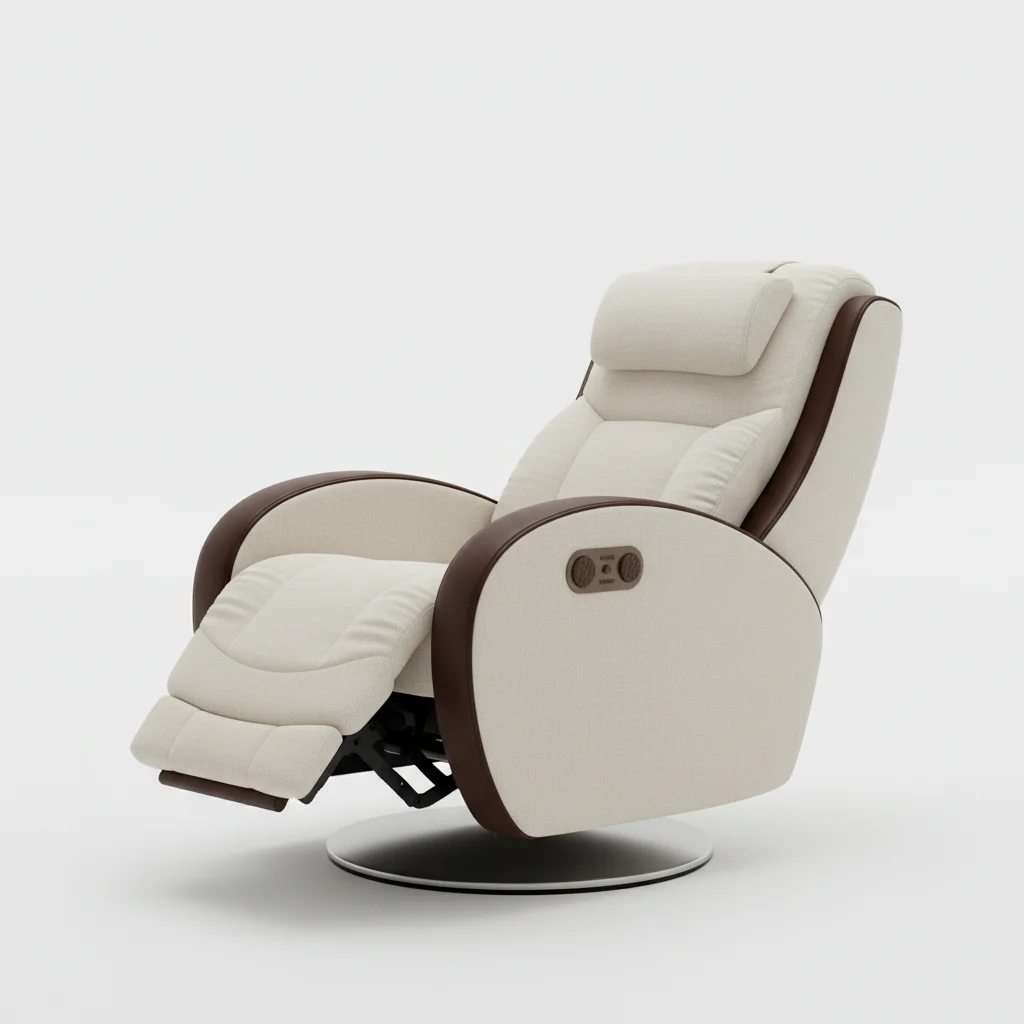
Finding the right recliner chair can significantly alleviate discomfort for individuals suffering from degenerative disc disease. The key lies in selecting a chair that offers superior lumbar support, proper spinal alignment, and customizable recline positions. There are typically three types of recliners that provide the most benefit for this condition: zero-gravity recliners, lift recliners, and specialized ergonomic recliners.
Understanding Degenerative Disc Disease and Recliner Needs
Degenerative disc disease (DDD) is a condition where the discs between your vertebrae break down, leading to pain, stiffness, and reduced mobility. For those with DDD, a recliner isn’t just about comfort; it’s about therapeutic support. The ideal recliner helps decompress the spine, reduces pressure on the affected discs, and promotes better circulation. It’s crucial to avoid recliners that force an unnatural spinal curve or lack adequate cushioning.
When sitting, the spine experiences more pressure than when lying down. A recliner that allows for a gentle recline can distribute body weight more evenly, reducing the load on the lumbar spine. This can lead to a noticeable reduction in pain and improved overall comfort throughout the day.
Zero-Gravity Recliners for Spinal Decompression
Zero-gravity recliners are often recommended for individuals with degenerative disc disease because they position the body in a way that mimics the posture astronauts take during liftoff. In this position, the legs are elevated above the heart, and the torso is reclined, which helps to decompress the spine and reduce pressure on the discs. This can provide significant relief from back pain and improve blood flow.
The even distribution of body weight in a zero-gravity position minimizes stress points, making it an excellent choice for prolonged sitting or resting. Many models offer various recline angles, allowing users to find their most comfortable and therapeutic position. Look for models with easy-to-use controls and robust construction.
Lift Recliners for Ease of Movement
|
Our Picks for the Best Recliner Chair in 2026
As an Amazon Associate I earn from qualifying purchases.
|
||
| Num | Product | Action |
|---|---|---|
| 1 | MCombo Dual Motor Large Power Lift Recliner Chair for Elderly, Lay Flat Lift Chair with Heat and Massage, Big Lift Recliner for Tall People, Cup Holders, Fabric 7896 (Large, Dark Gray) |

|
| 2 | Plush Linen Fabric Massage Rocker Recliner Chair Oversized Design with Manual Massage and Heat Two Cup Holders and USB Port for Living Room (Blue) |
|
| 3 | MAXYOYO Accent Chair with Ottoman Adjustable Backrest, Tufted Living Room Chair Upholstered Lounge Chair with Footrest Set, Modern Chair Cozy Reclining Chair for Reading Room, Green |
|
| 4 | Power Recliner Chair for Adults with Massage and Heat, Swivel Oversized Leather Recliner Chair with USB Ports & Side Pockets for Living Room (22" Medium-Seat Width,Gray) |
|
| 5 | Garvee Elertric Recliner Chair with Memory Function PU Leather, Adjustable Single Recliners Sofa with Remote Control for Adults, Home Theater Seating &Armchair for Living Room/Office |
|
| 6 | Signature Design by Ashley Foreside Contemporary Nuvella Manual Rocker Recliner with Head-Neck Support and Pillow-Top Arms, Gray |
|
| 7 | Recliner Chair,Electric Adjustable Chenille Recliner with Remote Control and Padded Backrest,Home Theater Recliner Single Sofa Seat with Thick Seat Cushion for Living Room Bedroom (Grey) |
|
| 8 | Garvee Elertric Recliner Chair with Memory Function Adjustable Single Recliners Sofa with Remote Control for Adults, Home Theater Seating &Armchair for Living Room/Office (Light Khaki, Fabric) |
|
| 9 | Lazy Chair with Ottoman, Large Dark Grey Accent Chair with Ottoman, Comfy Reading Armchair, Leisure Sofa Chair for Living Room, Bedroom, Dorm Room, Office |
|
| 10 | Tiita Lazy Chair with Ottoman, Gray Modern Large Accent Chair, Comfy Leisure Sofa Armchair with Ottoman, Reading Chair with Footrest for Bedroom, Living Room, Dorm Rooms, Garden Dark Grey |
|
Lift recliners are particularly beneficial for those with severe degenerative disc disease or limited mobility, as they assist in standing up from a seated position. This feature reduces strain on the back and joints, preventing further injury or discomfort. Beyond the lift function, many lift recliners offer excellent lumbar support and multiple recline positions, including full recline for sleeping.
These recliners often come with remote controls for effortless adjustment, making them highly convenient. The ability to smoothly transition from sitting to standing without putting undue stress on the spine is a major advantage for daily living. Consider models with battery backup in case of power outages.
Ergonomic Recliners with Targeted Support
Specialized ergonomic recliners are designed with the human body in mind, offering targeted support for the lumbar region, neck, and head. These chairs often feature adjustable lumbar pillows, headrests, and armrests to customize the fit for individual needs. Some even incorporate heat and massage functions, which can further soothe aching muscles and improve circulation.
When selecting an ergonomic recliner, pay close attention to the adjustability of its components. The ability to fine-tune the support to match the unique curvature of your spine is paramount for long-term comfort and pain management. High-density foam and durable upholstery are also important considerations for longevity and sustained support.
Key Features to Consider for DDD Relief
When choosing a recliner for degenerative disc disease, several features are non-negotiable for optimal relief and support. Prioritize these elements to ensure your investment provides the maximum therapeutic benefit:
- Adjustable Lumbar Support: Essential for maintaining the natural curve of the lower back.
- Multiple Recline Positions: Allows for varied postures to reduce pressure points.
- Firm, Supportive Cushioning: Prevents sinking and maintains proper alignment.
- Easy-to-Use Controls: Crucial for individuals with limited mobility.
- Durable Frame and Upholstery: Ensures longevity and consistent support.
Always test a recliner’s comfort and support before purchasing, if possible. Pay attention to how your spine feels in different positions and ensure there are no pressure points that exacerbate your condition.
Maintaining Your Recliner for Lasting Comfort
To ensure your recliner continues to provide optimal support for your degenerative disc disease, regular maintenance is key. Keep the upholstery clean according to the manufacturer’s instructions, and periodically check all moving parts for any signs of wear or looseness. Lubricating mechanisms as needed can prevent squeaks and ensure smooth operation.
If your recliner has removable cushions, rotate and fluff them regularly to maintain their shape and support. For power recliners, ensure the power cord is not pinched or damaged. A well-maintained recliner will not only last longer but will also consistently deliver the comfort and therapeutic benefits you rely on.
Get our weekly buyer guide
Practical specs, not advice. Unsubscribe anytime.

I was looking for something to help with my DDD, and the mention of lift recliners caught my eye. While the lift function is helpful for getting up, I found the lumbar support on the model I chose wasn’t as pronounced as I’d hoped. It’s okay, but I still need to use an extra cushion for optimal support. Maybe I just picked the wrong brand.
I’ve been struggling with DDD for years, and finding a comfortable chair was a nightmare. This guide really helped me understand why zero-gravity recliners are so good. I ended up getting one, and the spinal decompression it offers is a game-changer. My back pain has significantly reduced, and I can finally relax without constant discomfort.
This information was exactly what I needed. I always thought any recliner would do, but understanding how crucial proper spinal alignment is for DDD made all the difference. I invested in a high-quality ergonomic recliner, and the relief is immediate. It truly helps reduce pressure on my discs, making my evenings much more bearable.
I appreciate the breakdown of different recliner types. I went with a specialized ergonomic recliner, and it’s been pretty good for my lower back. The customizable recline positions are a huge plus, allowing me to find just the right angle. It’s definitely an improvement over my old couch, though I wish it had a bit more padding in the footrest.