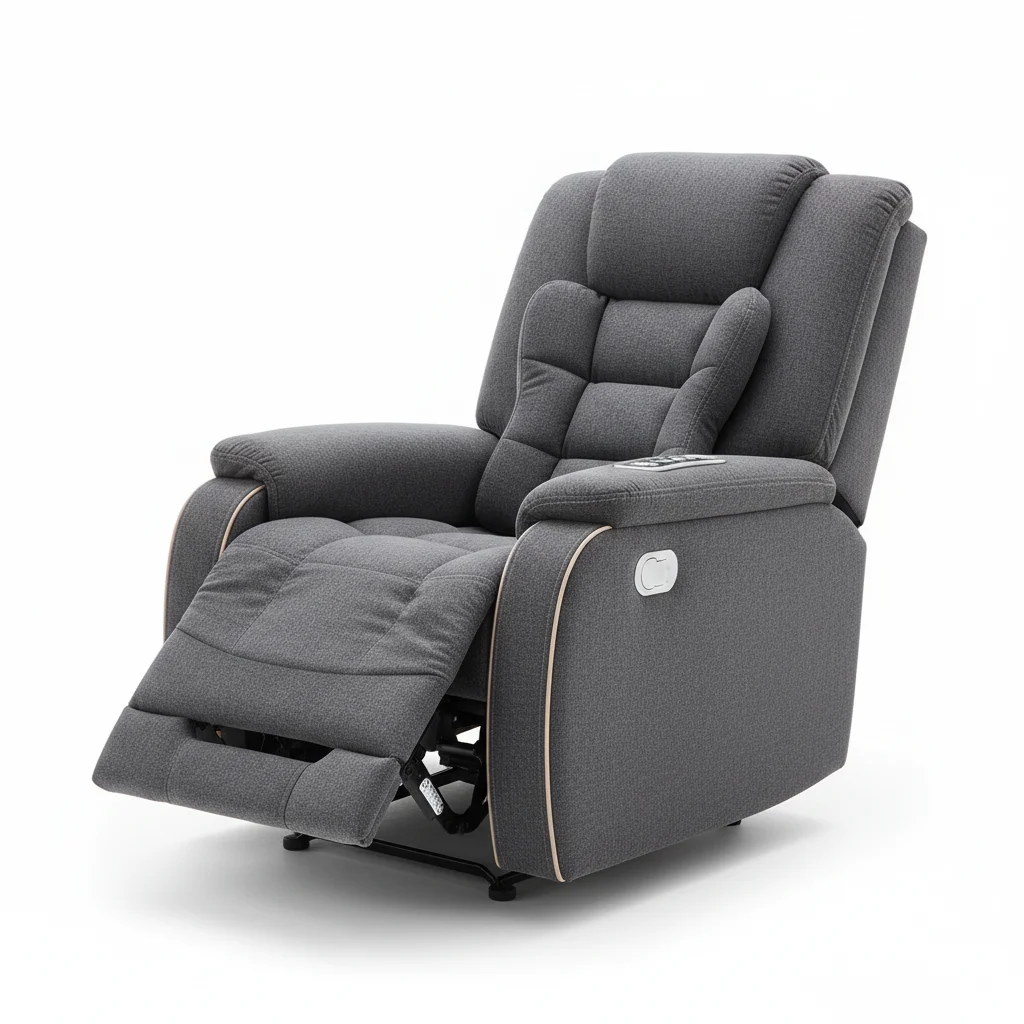
Finding the right recliner chair can significantly alleviate discomfort for individuals suffering from sciatica. The key is to select a chair that provides optimal lumbar support, promotes proper spinal alignment, and allows for various reclining positions to reduce pressure on the sciatic nerve. There are typically 5 types of recliners that offer the most benefit for sciatica sufferers.
Understanding Sciatica and Recliner Needs
Sciatica is characterized by pain radiating along the path of the sciatic nerve, which branches from your lower back through your hips and buttocks and down each leg. This pain often worsens with prolonged sitting or standing in certain positions. A recliner designed for sciatica should offer adjustable lumbar support, allowing you to customize the firmness and placement to cradle your lower back effectively. Look for models with a firm yet comfortable seat cushion that prevents sinking, which can exacerbate nerve compression.
The ability to recline to a zero-gravity position is particularly beneficial. This position elevates your legs above your heart, distributing your body weight evenly and reducing pressure on the spine. It helps decompress the discs in your lower back, providing immediate relief. Additionally, chairs with heat therapy functions can help relax tight muscles in the lower back and glutes, further easing sciatic pain.
Key Features for Sciatica Relief
When evaluating recliners for sciatica, several features stand out. Lumbar support is paramount; some chairs offer adjustable air bladders or manual adjustments to target specific areas of your lower back. Material choice also plays a role; breathable fabrics can prevent overheating, while durable upholstery ensures longevity. Consider the chair’s overall adjustability, including independent back and leg rest controls, which allow for fine-tuning your position.
- Adjustable lumbar support for personalized comfort.
- Zero-gravity recline function to decompress the spine.
- Heat therapy to relax muscles and improve circulation.
- Firm, supportive cushioning to prevent sinking.
- Easy-to-use controls for seamless position adjustments.
Types of Recliners Beneficial for Sciatica
|
Our Picks for the Best Recliner Chair in 2026
As an Amazon Associate I earn from qualifying purchases.
|
||
| Num | Product | Action |
|---|---|---|
| 1 | MAXYOYO Accent Chair with Ottoman Adjustable Backrest, Tufted Living Room Chair Upholstered Lounge Chair with Footrest Set, Modern Chair Cozy Reclining Chair for Reading Room, Green |

|
| 2 | MCombo Dual Motor Large Power Lift Recliner Chair for Elderly, Lay Flat Lift Chair with Heat and Massage, Big Lift Recliner for Tall People, Cup Holders, Fabric 7896 (Large, Dark Gray) |
|
| 3 | Plush Linen Fabric Massage Rocker Recliner Chair Oversized Design with Manual Massage and Heat Two Cup Holders and USB Port for Living Room (Blue) |
|
| 4 | Signature Design by Ashley Foreside Contemporary Nuvella Manual Rocker Recliner with Head-Neck Support and Pillow-Top Arms, Gray |
|
| 5 | Garvee Elertric Recliner Chair with Memory Function Adjustable Single Recliners Sofa with Remote Control for Adults, Home Theater Seating &Armchair for Living Room/Office (Light Khaki, Fabric) |
|
| 6 | Recliner Chair,Electric Adjustable Chenille Recliner with Remote Control and Padded Backrest,Home Theater Recliner Single Sofa Seat with Thick Seat Cushion for Living Room Bedroom (Grey) |
|
| 7 | Power Recliner Chair for Adults with Massage and Heat, Swivel Oversized Leather Recliner Chair with USB Ports & Side Pockets for Living Room (22" Medium-Seat Width,Gray) |
|
| 8 | Tiita Lazy Chair with Ottoman, Gray Modern Large Accent Chair, Comfy Leisure Sofa Armchair with Ottoman, Reading Chair with Footrest for Bedroom, Living Room, Dorm Rooms, Garden Dark Grey |
|
| 9 | Garvee Elertric Recliner Chair with Memory Function PU Leather, Adjustable Single Recliners Sofa with Remote Control for Adults, Home Theater Seating &Armchair for Living Room/Office |
|
| 10 | Lazy Chair with Ottoman, Large Dark Grey Accent Chair with Ottoman, Comfy Reading Armchair, Leisure Sofa Chair for Living Room, Bedroom, Dorm Room, Office |
|
Power recliners are often recommended due to their smooth, effortless adjustments, which prevent strain when changing positions. Lift recliners, while primarily designed for mobility assistance, also offer excellent support and the ability to easily transition from sitting to standing, minimizing stress on the back. Zero-gravity recliners are specifically engineered to mimic the weightless feeling of space, providing unparalleled spinal decompression.
Additionally, some ergonomic recliners are designed with a focus on spinal health, incorporating features like adjustable headrests and footrests to ensure full-body support. While not all recliners are created equal, focusing on these types and their specific features will guide you toward a chair that can genuinely help manage sciatica pain. Always test a recliner’s comfort and support before making a final decision.
Maintenance and Long-Term Comfort
Maintaining your recliner is crucial for its longevity and continued therapeutic benefits. Regularly check for any wear and tear, especially in the cushioning and support mechanisms. If your recliner has a massage or heat function, ensure these are working correctly. Proper cleaning according to the manufacturer’s instructions will also help preserve the material and structural integrity.
Even with the best recliner, it’s important to practice good posture and take regular breaks from sitting. A recliner should complement a holistic approach to managing sciatica, which may include exercise, stretching, and professional medical advice. The goal is to create an environment that supports your spine and reduces pain, allowing you to enjoy greater comfort and mobility in your daily life.
Get our weekly buyer guide
Practical specs, not advice. Unsubscribe anytime.
