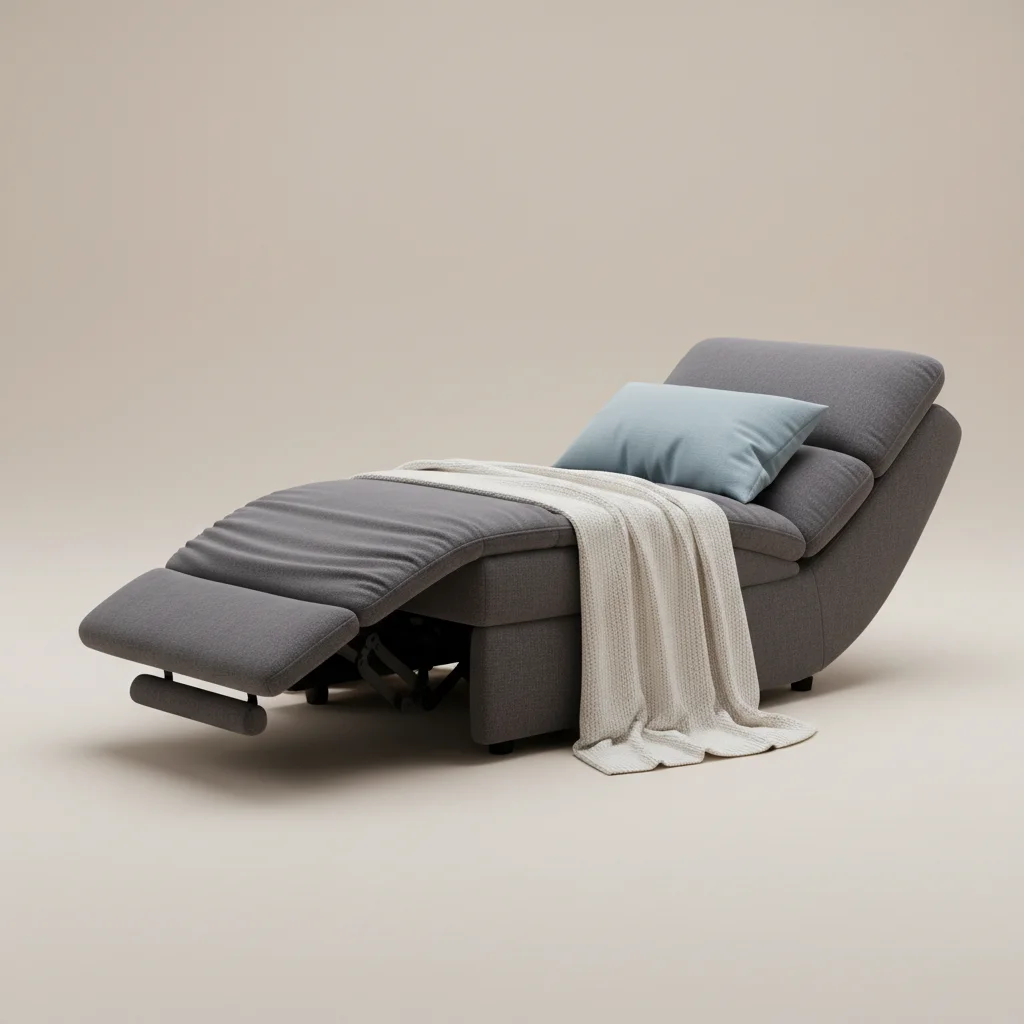
While a recliner chair can offer a comfortable temporary solution for sleeping, it’s generally not recommended for long-term use. For occasional naps or short-term recovery, a recliner can provide adequate support, especially for individuals with certain medical conditions. However, for consistent overnight sleep, a proper bed remains the superior choice due to its ability to maintain spinal alignment and prevent potential health issues.
Benefits of Sleeping in a Recliner
Sleeping in a recliner can offer several immediate benefits. For individuals experiencing acid reflux or GERD, the elevated position can help prevent stomach acid from flowing back into the esophagus, reducing discomfort and improving sleep quality. Similarly, people recovering from certain surgeries, particularly abdominal or shoulder procedures, may find the semi-upright position more comfortable and less painful than lying flat. It can also alleviate symptoms for those with sleep apnea by keeping airways more open.
Potential Drawbacks and Health Considerations
Despite the short-term advantages, prolonged sleeping in a recliner can lead to several issues. The primary concern is the potential for poor spinal alignment. Recliners are designed for sitting and lounging, not for maintaining a neutral spine position for extended periods. This can result in back pain, neck stiffness, and even nerve compression over time. Additionally, the restricted movement can contribute to poor circulation, especially in the legs, increasing the risk of deep vein thrombosis (DVT) for some individuals. It’s crucial to ensure your recliner provides adequate lumbar and neck support if you must use it for sleep.
Choosing the Right Recliner for Occasional Sleep
|
Our Picks for the Best Recliner Chair in 2026
As an Amazon Associate I earn from qualifying purchases.
|
||
| Num | Product | Action |
|---|---|---|
| 1 | Lazy Chair with Ottoman, Large Dark Grey Accent Chair with Ottoman, Comfy Reading Armchair, Leisure Sofa Chair for Living Room, Bedroom, Dorm Room, Office |

|
| 2 | Signature Design by Ashley Foreside Contemporary Nuvella Manual Rocker Recliner with Head-Neck Support and Pillow-Top Arms, Gray |
|
| 3 | MAXYOYO Accent Chair with Ottoman Adjustable Backrest, Tufted Living Room Chair Upholstered Lounge Chair with Footrest Set, Modern Chair Cozy Reclining Chair for Reading Room, Green |
|
| 4 | Plush Linen Fabric Massage Rocker Recliner Chair Oversized Design with Manual Massage and Heat Two Cup Holders and USB Port for Living Room (Blue) |
|
| 5 | Tiita Lazy Chair with Ottoman, Gray Modern Large Accent Chair, Comfy Leisure Sofa Armchair with Ottoman, Reading Chair with Footrest for Bedroom, Living Room, Dorm Rooms, Garden Dark Grey |
|
| 6 | Power Recliner Chair for Adults with Massage and Heat, Swivel Oversized Leather Recliner Chair with USB Ports & Side Pockets for Living Room (22" Medium-Seat Width,Gray) |
|
| 7 | MCombo Dual Motor Large Power Lift Recliner Chair for Elderly, Lay Flat Lift Chair with Heat and Massage, Big Lift Recliner for Tall People, Cup Holders, Fabric 7896 (Large, Dark Gray) |
|
| 8 | Garvee Elertric Recliner Chair with Memory Function PU Leather, Adjustable Single Recliners Sofa with Remote Control for Adults, Home Theater Seating &Armchair for Living Room/Office |
|
| 9 | Recliner Chair,Electric Adjustable Chenille Recliner with Remote Control and Padded Backrest,Home Theater Recliner Single Sofa Seat with Thick Seat Cushion for Living Room Bedroom (Grey) |
|
| 10 | Garvee Elertric Recliner Chair with Memory Function Adjustable Single Recliners Sofa with Remote Control for Adults, Home Theater Seating &Armchair for Living Room/Office (Light Khaki, Fabric) |
|
If you anticipate needing to sleep in a recliner occasionally, selecting the right model is paramount. Look for recliners with multiple recline positions, allowing you to find the most comfortable and supportive angle. Models with adjustable headrests and lumbar support can significantly improve comfort and reduce strain. Consider recliners with a full recline feature that allows the chair to lie almost flat, mimicking a bed more closely. Material also plays a role; breathable fabrics can prevent overheating, while durable upholstery ensures longevity.
Tips for Improving Recliner Sleep Comfort
To maximize comfort and minimize potential issues when sleeping in a recliner, consider these tips:
- Use supportive pillows: Place a small pillow behind your lower back for lumbar support and a contoured pillow for your neck.
- Elevate your legs: If your recliner doesn’t fully support your legs, use an ottoman or extra pillows to keep them elevated and improve circulation.
- Stay hydrated: Drink plenty of water throughout the day, but avoid excessive liquids right before bed to minimize nighttime bathroom trips.
- Limit screen time: Avoid using electronic devices in the recliner before attempting to sleep to promote better sleep hygiene.
- Stretch gently: Before and after sleeping in a recliner, perform gentle stretches to alleviate stiffness and improve blood flow.
When to Consult a Healthcare Professional
If you find yourself consistently needing to sleep in a recliner due to chronic pain, severe acid reflux, or persistent sleep apnea, it’s essential to consult a healthcare professional. They can diagnose underlying conditions and recommend appropriate treatments or lifestyle adjustments. While a recliner can offer temporary relief, it should not be a substitute for proper medical care or a long-term sleeping solution. Your doctor can provide personalized advice on how to manage your symptoms and improve your overall sleep quality.
Get our weekly buyer guide
Practical specs, not advice. Unsubscribe anytime.
