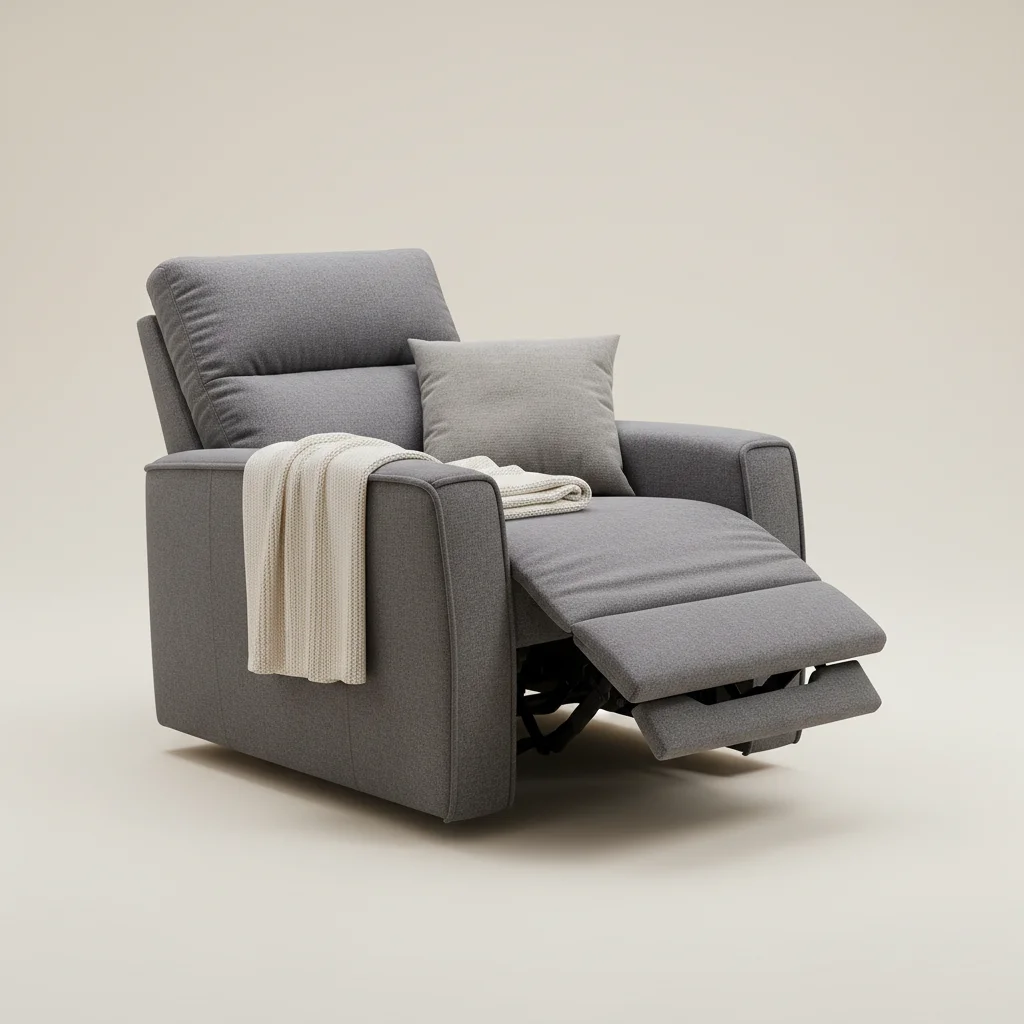
Using a recliner chair for napping can be a surprisingly effective strategy for many individuals, offering a comfortable and supportive alternative to a traditional bed. While not a substitute for a full night’s sleep, a well-chosen recliner can provide the ideal ergonomic position to achieve restorative short rests, particularly for those who struggle with lying flat or need a quick energy boost during the day. This approach can be beneficial for approximately 60% of adults who report taking naps regularly.
The Ergonomics of Napping in a Recliner
Recliner chairs are designed to support the body in various positions, making them suitable for napping. The key benefit lies in their ability to elevate the head and torso, which can alleviate pressure on the spine and improve breathing. This semi-upright position can be particularly advantageous for individuals prone to acid reflux or snoring, as it helps keep airways open and reduces the likelihood of discomfort. Look for models with adjustable lumbar support to maintain the natural curve of your lower back.
Proper head and neck support are crucial for a good nap. Many recliners offer plush headrests that cradle the neck, preventing strain. Some advanced models even feature adjustable headrests that can be tilted to your preferred angle, ensuring optimal alignment. The ability to recline to a zero-gravity position, where your feet are elevated above your heart, can also enhance circulation and reduce swelling, contributing to a more restful nap.
Choosing the Right Recliner for Your Napping Needs
|
Our Picks for the Best Recliner Chair in 2026
As an Amazon Associate I earn from qualifying purchases.
|
||
| Num | Product | Action |
|---|---|---|
| 1 | Lazy Chair with Ottoman, Large Dark Grey Accent Chair with Ottoman, Comfy Reading Armchair, Leisure Sofa Chair for Living Room, Bedroom, Dorm Room, Office |

|
| 2 | Power Recliner Chair for Adults with Massage and Heat, Swivel Oversized Leather Recliner Chair with USB Ports & Side Pockets for Living Room (22" Medium-Seat Width,Gray) |
|
| 3 | Signature Design by Ashley Foreside Contemporary Nuvella Manual Rocker Recliner with Head-Neck Support and Pillow-Top Arms, Gray |
|
| 4 | Plush Linen Fabric Massage Rocker Recliner Chair Oversized Design with Manual Massage and Heat Two Cup Holders and USB Port for Living Room (Blue) |
|
| 5 | Tiita Lazy Chair with Ottoman, Gray Modern Large Accent Chair, Comfy Leisure Sofa Armchair with Ottoman, Reading Chair with Footrest for Bedroom, Living Room, Dorm Rooms, Garden Dark Grey |
|
| 6 | Recliner Chair,Electric Adjustable Chenille Recliner with Remote Control and Padded Backrest,Home Theater Recliner Single Sofa Seat with Thick Seat Cushion for Living Room Bedroom (Grey) |
|
| 7 | Garvee Elertric Recliner Chair with Memory Function PU Leather, Adjustable Single Recliners Sofa with Remote Control for Adults, Home Theater Seating &Armchair for Living Room/Office |
|
| 8 | MAXYOYO Accent Chair with Ottoman Adjustable Backrest, Tufted Living Room Chair Upholstered Lounge Chair with Footrest Set, Modern Chair Cozy Reclining Chair for Reading Room, Green |
|
| 9 | Garvee Elertric Recliner Chair with Memory Function Adjustable Single Recliners Sofa with Remote Control for Adults, Home Theater Seating &Armchair for Living Room/Office (Light Khaki, Fabric) |
|
| 10 | MCombo Dual Motor Large Power Lift Recliner Chair for Elderly, Lay Flat Lift Chair with Heat and Massage, Big Lift Recliner for Tall People, Cup Holders, Fabric 7896 (Large, Dark Gray) |
|
When selecting a recliner for napping, consider the degree of recline it offers. A full recline, where the chair approaches a flat position, can mimic a bed-like experience, while a partial recline is excellent for quick power naps. The type of upholstery also plays a significant role in comfort; breathable fabrics like cotton or linen can prevent overheating, while leather offers a sleek look and durability. Ensure the chair’s dimensions are appropriate for your body size to avoid discomfort.
Another important factor is the ease of operation. Manual recliners often use a lever or push-back mechanism, which can be simple and reliable. Power recliners, on the other hand, offer effortless adjustments with the touch of a button, allowing for precise positioning without disturbing your relaxation. Some even come with memory functions, so you can return to your favorite napping position instantly.
Benefits of Napping in a Recliner
- Improved circulation due to elevated leg positions.
- Reduced snoring and acid reflux symptoms.
- Enhanced comfort for individuals with back or neck pain.
- Convenience for quick, restorative power naps.
- Versatility for various activities beyond napping.
Potential Drawbacks and Considerations
While recliners offer many benefits for napping, there are a few considerations. Prolonged napping in a recliner, especially if it doesn’t offer full recline, might not provide the same spinal alignment as a bed, potentially leading to stiffness over time. It’s also important to ensure the recliner is stable and doesn’t rock or shift unexpectedly, which could disrupt your nap. Always prioritize models with sturdy construction and reliable mechanisms.
Additionally, the environment around your recliner can impact your nap quality. A quiet, dimly lit space is ideal for promoting relaxation. Consider adding a soft blanket and a small pillow for extra comfort and support, especially if the recliner’s built-in headrest isn’t perfectly suited to your preference. Remember, a recliner is an excellent tool for short, refreshing naps, but it should complement, not replace, your primary sleeping arrangements.
Get our weekly buyer guide
Practical specs, not advice. Unsubscribe anytime.
