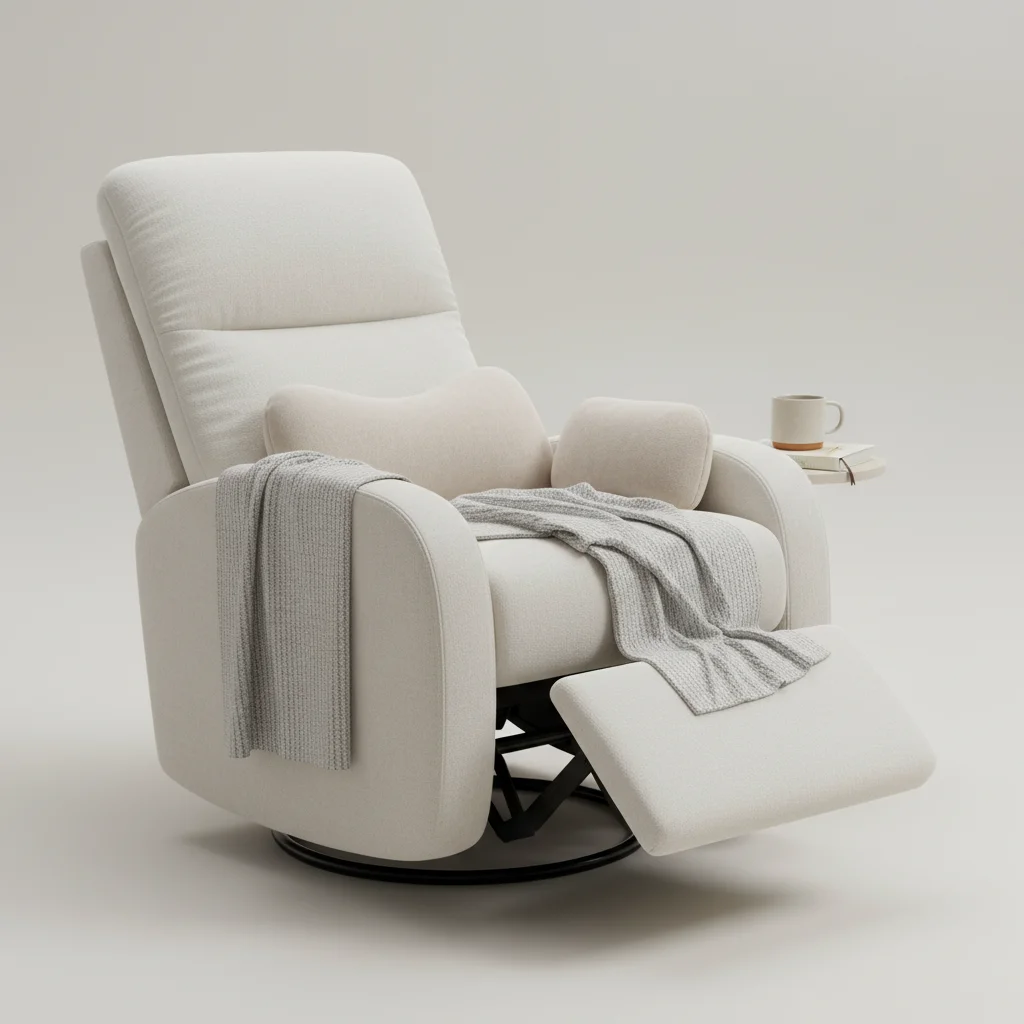
Finding the right recliner chair for C-section recovery is crucial for comfort and healing during a delicate time. The ideal recliner provides gentle support, easy adjustability, and features that minimize strain on the abdominal area. There are five key features to look for that will significantly aid in a smoother recovery process.
Why a Recliner is Essential Post-C-Section
After a C-section, core strength is compromised, and movements like sitting up or lying down can be painful. A recliner chair offers a controlled way to transition between positions, reducing the need to engage abdominal muscles. This protection is vital for incision healing and preventing complications. The elevated leg rest also helps improve circulation and reduce swelling in the lower extremities, which can be common after childbirth. For more recliner chairs guides on this site.
Key Features for C-Section Recovery Recliners
When selecting a recliner, prioritize models with a power recline function. Manual levers can be difficult to operate without straining. Look for chairs with a smooth, quiet motor that allows for gradual adjustments. Lumbar support is also critical, as it helps maintain proper spinal alignment and alleviates back pain often associated with pregnancy and postpartum recovery. Consider models with a gentle rocking or gliding motion for soothing comfort without jarring movements.
- Power recline for effortless position changes
- Soft, supportive cushioning to prevent pressure points
- Integrated lumbar support for back pain relief
- Armrests that provide leverage for standing
- Easy-to-clean fabric for spills and accidents
Fabrics and Cushioning for Optimal Comfort
|
Our Picks for the Best Recliner Chair in 2026
As an Amazon Associate I earn from qualifying purchases.
|
||
| Num | Product | Action |
|---|---|---|
| 1 | Power Recliner Chair for Adults with Massage and Heat, Swivel Oversized Leather Recliner Chair with USB Ports & Side Pockets for Living Room (22" Medium-Seat Width,Gray) |

|
| 2 | Garvee Elertric Recliner Chair with Memory Function Adjustable Single Recliners Sofa with Remote Control for Adults, Home Theater Seating &Armchair for Living Room/Office (Light Khaki, Fabric) |
|
| 3 | Plush Linen Fabric Massage Rocker Recliner Chair Oversized Design with Manual Massage and Heat Two Cup Holders and USB Port for Living Room (Blue) |
|
| 4 | Lazy Chair with Ottoman, Large Dark Grey Accent Chair with Ottoman, Comfy Reading Armchair, Leisure Sofa Chair for Living Room, Bedroom, Dorm Room, Office |
|
| 5 | MAXYOYO Accent Chair with Ottoman Adjustable Backrest, Tufted Living Room Chair Upholstered Lounge Chair with Footrest Set, Modern Chair Cozy Reclining Chair for Reading Room, Green |
|
| 6 | Recliner Chair,Electric Adjustable Chenille Recliner with Remote Control and Padded Backrest,Home Theater Recliner Single Sofa Seat with Thick Seat Cushion for Living Room Bedroom (Grey) |
|
| 7 | MCombo Dual Motor Large Power Lift Recliner Chair for Elderly, Lay Flat Lift Chair with Heat and Massage, Big Lift Recliner for Tall People, Cup Holders, Fabric 7896 (Large, Dark Gray) |
|
| 8 | Signature Design by Ashley Foreside Contemporary Nuvella Manual Rocker Recliner with Head-Neck Support and Pillow-Top Arms, Gray |
|
| 9 | Tiita Lazy Chair with Ottoman, Gray Modern Large Accent Chair, Comfy Leisure Sofa Armchair with Ottoman, Reading Chair with Footrest for Bedroom, Living Room, Dorm Rooms, Garden Dark Grey |
|
| 10 | Garvee Elertric Recliner Chair with Memory Function PU Leather, Adjustable Single Recliners Sofa with Remote Control for Adults, Home Theater Seating &Armchair for Living Room/Office |
|
The material and cushioning of your recliner play a significant role in comfort during recovery. Opt for soft, breathable fabrics like microfiber or a gentle woven blend that won’t irritate sensitive skin or surgical sites. Avoid overly firm or plush cushions; instead, seek a medium-firm density that offers support without creating pressure points. Removable and washable covers are an added bonus for maintaining hygiene during this period.
Accessibility and Safety Considerations
Ensure the recliner’s height allows you to get in and out with minimal effort. Armrests should be sturdy and positioned to provide good leverage when pushing yourself up. Avoid recliners with complex controls or those that require significant physical input. Safety features, such as a stable base and anti-tip mechanisms, are also important, especially when you might be holding your baby.
Placement and Additional Accessories
Consider where you will place the recliner. It should be in an easily accessible location, perhaps near a side table for water, snacks, and baby essentials. A small, soft pillow for incision support when coughing or laughing can be beneficial. A footstool, if the recliner doesn’t have an integrated leg rest, can also help with elevation. Remember, the goal is to create a comfortable and functional recovery zone.
Get our weekly buyer guide
Practical specs, not advice. Unsubscribe anytime.
