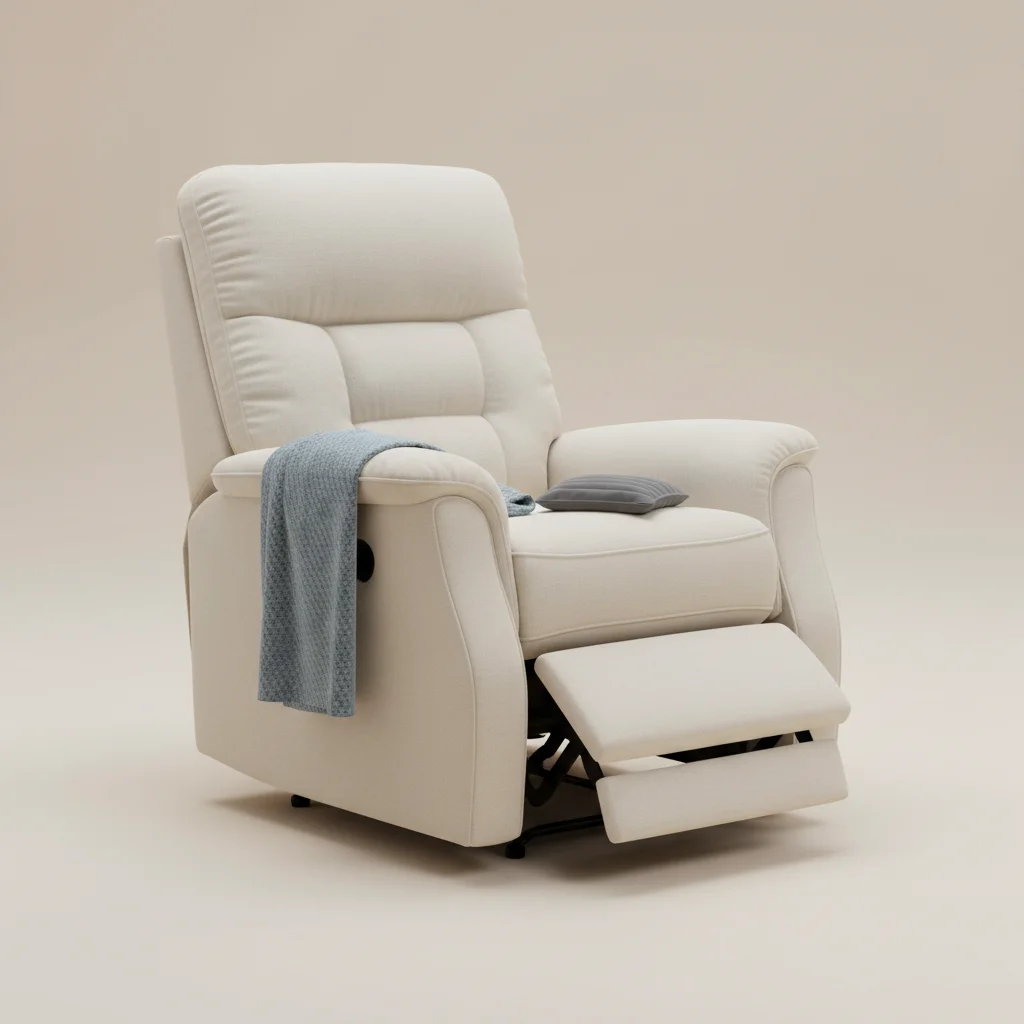
Finding the right recliner chair can significantly alleviate discomfort for individuals living with arthritis. The key is to select a model that offers gentle support, ease of use, and features designed to reduce strain on joints. There are five main types of recliners that are particularly beneficial for arthritis sufferers, focusing on ergonomic design and accessibility.
Understanding Arthritis and Recliner Needs
Arthritis is a condition characterized by inflammation of the joints, leading to pain, stiffness, and reduced mobility. For someone with arthritis, a standard chair can exacerbate symptoms, making it difficult to sit down, stand up, or maintain a comfortable position. A recliner designed with these challenges in mind can provide much-needed relief by distributing body weight evenly, reducing pressure points, and offering assistance with movement. For best recliner chairs roundups on this site.
When considering a recliner, individuals with arthritis should prioritize features like power recline mechanisms, lumbar support, and easy-to-clean fabrics. Manual recliners can be challenging to operate due to the force required, making power options a superior choice. Lumbar support helps maintain the natural curve of the spine, preventing slouching that can worsen back and hip pain. Additionally, fabrics that are soft yet durable and simple to wipe down are ideal for maintaining hygiene without strenuous effort.
Power Lift Recliners: The Ultimate Aid
Power lift recliners are often the top recommendation for those with severe arthritis or significant mobility issues. These chairs not only recline but also gently tilt forward, assisting the user in standing up without putting undue stress on their knees, hips, or back. This feature alone can dramatically improve independence and reduce the risk of falls. Many models come with remote controls, allowing for effortless adjustment of positions.
Beyond the lift function, these recliners typically offer multiple recline angles, enabling users to find the perfect position for reading, watching TV, or napping. Some advanced models include independent footrest and backrest controls, providing even greater customization. The smooth, controlled motion of a power lift recliner ensures that transitions between sitting and standing are as comfortable and pain-free as possible.
Zero Gravity Recliners: Distributing Pressure Evenly
|
Our Picks for the Best Recliner Chair in 2026
As an Amazon Associate I earn from qualifying purchases.
|
||
| Num | Product | Action |
|---|---|---|
| 1 | Recliner Chair,Electric Adjustable Chenille Recliner with Remote Control and Padded Backrest,Home Theater Recliner Single Sofa Seat with Thick Seat Cushion for Living Room Bedroom (Grey) |

|
| 2 | Power Recliner Chair for Adults with Massage and Heat, Swivel Oversized Leather Recliner Chair with USB Ports & Side Pockets for Living Room (22" Medium-Seat Width,Gray) |
|
| 3 | Lazy Chair with Ottoman, Large Dark Grey Accent Chair with Ottoman, Comfy Reading Armchair, Leisure Sofa Chair for Living Room, Bedroom, Dorm Room, Office |
|
| 4 | Garvee Elertric Recliner Chair with Memory Function PU Leather, Adjustable Single Recliners Sofa with Remote Control for Adults, Home Theater Seating &Armchair for Living Room/Office |
|
| 5 | Tiita Lazy Chair with Ottoman, Gray Modern Large Accent Chair, Comfy Leisure Sofa Armchair with Ottoman, Reading Chair with Footrest for Bedroom, Living Room, Dorm Rooms, Garden Dark Grey |
|
| 6 | MCombo Dual Motor Large Power Lift Recliner Chair for Elderly, Lay Flat Lift Chair with Heat and Massage, Big Lift Recliner for Tall People, Cup Holders, Fabric 7896 (Large, Dark Gray) |
|
| 7 | Garvee Elertric Recliner Chair with Memory Function Adjustable Single Recliners Sofa with Remote Control for Adults, Home Theater Seating &Armchair for Living Room/Office (Light Khaki, Fabric) |
|
| 8 | Plush Linen Fabric Massage Rocker Recliner Chair Oversized Design with Manual Massage and Heat Two Cup Holders and USB Port for Living Room (Blue) |
|
| 9 | Signature Design by Ashley Foreside Contemporary Nuvella Manual Rocker Recliner with Head-Neck Support and Pillow-Top Arms, Gray |
|
| 10 | MAXYOYO Accent Chair with Ottoman Adjustable Backrest, Tufted Living Room Chair Upholstered Lounge Chair with Footrest Set, Modern Chair Cozy Reclining Chair for Reading Room, Green |
|
Zero gravity recliners are designed to mimic the posture astronauts assume during liftoff, distributing body weight evenly across the chair. This position elevates the legs above the heart, which can reduce swelling in the lower extremities and alleviate pressure on the spine and joints. For arthritis sufferers, this can translate to significant pain relief and improved circulation.
The unique recline angle helps to decompress the spine, which is particularly beneficial for those with arthritis in the back or hips. Many zero gravity models also feature smooth power recline mechanisms, making it easy to adjust to the desired position without manual effort. The sensation of weightlessness can provide a profound sense of relaxation and comfort, making it an excellent choice for extended periods of sitting.
Wall Hugger Recliners: Space-Saving Comfort
For individuals living in smaller spaces, wall hugger recliners offer a practical solution without compromising on comfort. These recliners are designed to recline forward, allowing them to be placed just a few inches from a wall. This design is particularly useful for those with arthritis who might find it difficult to maneuver around larger furniture pieces.
Despite their compact footprint, wall huggers still provide excellent support and often come with power recline options. They are a great choice for bedrooms, apartments, or any area where space is at a premium but the need for a comfortable, supportive recliner remains. Look for models with easy-to-reach controls and firm cushioning for optimal support.
Ergonomic Recliners: Targeted Support
Ergonomic recliners are specifically engineered to support the body’s natural posture, reducing strain and promoting comfort. For arthritis sufferers, this means features like adjustable headrests, lumbar support, and contoured seating that cradle the body. These recliners aim to minimize pressure points and ensure proper spinal alignment, which can be crucial for managing chronic pain.
Many ergonomic recliners offer a wide range of adjustability, allowing users to fine-tune the chair to their specific body shape and comfort needs. Some even include memory foam or gel-infused cushioning for enhanced pressure relief. When selecting an ergonomic recliner, pay attention to the quality of the padding and the adjustability of key support areas to ensure it meets your individual requirements.
Key Features to Look for in an Arthritis-Friendly Recliner
- Power Recline Mechanism: Essential for effortless adjustment without straining joints.
- Lumbar Support: Crucial for maintaining proper spinal alignment and reducing back pain.
- Easy-to-Clean Fabric: Materials like microfiber or certain leathers are simple to maintain.
- Firm Cushioning: Provides adequate support without sinking, making it easier to get in and out.
- Armrest Height: Comfortable height for support when sitting or standing.
Choosing the right recliner chair can significantly improve the quality of life for someone with arthritis. By focusing on features that offer gentle support, ease of use, and ergonomic design, you can find a chair that provides comfort and helps manage symptoms effectively. Consider a power lift model for maximum assistance, or a zero gravity recliner for superior pressure distribution.Always test different models if possible to ensure the best fit for your specific needs.
Get our weekly buyer guide
Practical specs, not advice. Unsubscribe anytime.
