A fabric recliner offers unmatched comfort, transforming any living space into a cozy retreat. However, with daily use, these beloved chairs can quickly accumulate dirt, dust, and stubborn stains, diminishing their appeal. The good news is that keeping your fabric recliner immaculate without causing further damage, like unsightly watermarks or discoloration, is entirely achievable with the right approach. This comprehensive guide will equip you with the knowledge and techniques to effectively clean your fabric recliner, ensuring it remains a fresh, inviting, and stain-free sanctuary for years to come.
Understanding Your Fabric Recliner’s Upholstery
Before diving into cleaning methods, it is crucial to understand the material and specific care requirements of your recliner. Fabric recliners are popular for their breathability, diverse texture options, and aesthetic versatility. They allow for a wider range of colors and patterns compared to leather. While offering superior comfort, fabric upholstery generally requires more frequent cleaning and immediate attention to spills due to its absorbent nature.
Common Fabric Types and Their Cleaning Nuances
The type of fabric greatly influences the cleaning products and methods you should use to avoid staining or damage.
- Microfiber: A synthetic fabric known for its durability and relatively good stain resistance. It’s often easier to clean and excellent for homes with children or pets due to its tightly woven fibers. Cleaning microfiber often involves mild soap and minimal water.
- Cotton and Cotton Blends: Natural fibers that are soft and breathable. However, cotton is highly absorbent, making it prone to staining and water rings if over-wet. Low-moisture cleaning techniques are generally recommended for cotton.
- Polyester: Another synthetic fiber, polyester is durable, wrinkle-resistant, and relatively easy to maintain. It can, however, attract and trap oily residues, which require targeted cleaning.
- Velvet: This luxurious fabric requires delicate care. While some velvets are synthetic and more durable, traditional velvet can be prone to crushing, water spots, and can be challenging to clean without professional help.
|
Our Picks for the Best Recliner Chair in 2026
As an Amazon Associate I earn from qualifying purchases.
|
||
| Num | Product | Action |
|---|---|---|
| 1 | Recliner Chair,Electric Adjustable Chenille Recliner with Remote Control and Padded Backrest,Home Theater Recliner Single Sofa Seat with Thick Seat Cushion for Living Room Bedroom (Grey) |

|
| 2 | Power Recliner Chair for Adults with Massage and Heat, Swivel Oversized Leather Recliner Chair with USB Ports & Side Pockets for Living Room (22" Medium-Seat Width,Gray) |
|
| 3 | MCombo Dual Motor Large Power Lift Recliner Chair for Elderly, Lay Flat Lift Chair with Heat and Massage, Big Lift Recliner for Tall People, Cup Holders, Fabric 7896 (Large, Dark Gray) |
|
| 4 | Signature Design by Ashley Foreside Contemporary Nuvella Manual Rocker Recliner with Head-Neck Support and Pillow-Top Arms, Gray |
|
| 5 | Garvee Elertric Recliner Chair with Memory Function PU Leather, Adjustable Single Recliners Sofa with Remote Control for Adults, Home Theater Seating &Armchair for Living Room/Office |
|
| 6 | Lazy Chair with Ottoman, Large Dark Grey Accent Chair with Ottoman, Comfy Reading Armchair, Leisure Sofa Chair for Living Room, Bedroom, Dorm Room, Office |
|
| 7 | MAXYOYO Accent Chair with Ottoman Adjustable Backrest, Tufted Living Room Chair Upholstered Lounge Chair with Footrest Set, Modern Chair Cozy Reclining Chair for Reading Room, Green |
|
| 8 | Garvee Elertric Recliner Chair with Memory Function Adjustable Single Recliners Sofa with Remote Control for Adults, Home Theater Seating &Armchair for Living Room/Office (Light Khaki, Fabric) |
|
| 9 | Plush Linen Fabric Massage Rocker Recliner Chair Oversized Design with Manual Massage and Heat Two Cup Holders and USB Port for Living Room (Blue) |
|
| 10 | Tiita Lazy Chair with Ottoman, Gray Modern Large Accent Chair, Comfy Leisure Sofa Armchair with Ottoman, Reading Chair with Footrest for Bedroom, Living Room, Dorm Rooms, Garden Dark Grey |
|
Decoding Your Recliner’s Cleaning Code
Manufacturers typically provide a cleaning code on a tag, often found under a cushion or beneath the chair. This code is your primary guide for safe cleaning practices.
- W (Water-based): You can use water-based upholstery cleaners or mild detergent solutions.
- S (Solvent-based): Only use water-free solvents for cleaning. Water can cause shrinkage, bleeding, or water spots.
- WS (Water-based or Solvent-based): Both water-based and solvent-based cleaners are acceptable. This offers the most flexibility.
- X (Vacuum Only): This fabric cannot be cleaned with any liquid cleaners. It requires professional dry cleaning to avoid damage.
Always consult this tag before applying any cleaning solution to prevent irreversible damage and staining.
Essential Principles for Stain-Free Fabric Recliner Cleaning
Successful, stain-free cleaning hinges on adhering to a few fundamental rules that protect your recliner’s fabric.
Act Swiftly: The Key to Preventing Stains
When spills happen, speed is your greatest ally. The quicker you address a spill, the less likely it is to penetrate the fabric fibers and set into a permanent stain. Keeping cleaning supplies readily accessible allows for immediate intervention.
Always Test First: Why a Spot Test is Crucial
Before applying any cleaning solution to a visible area, always perform a spot test on an inconspicuous part of the recliner, such as the back or an unseen section under a cushion. Apply a small amount of the solution, wait 5-10 minutes, and then blot with a clean white cloth. Check for any discoloration, fading, or fabric damage before proceeding. This step is non-negotiable for preventing larger, more noticeable stains.
Blot, Don’t Rub: Protecting Fabric Integrity
When cleaning stains, the golden rule is to blot, not rub. Rubbing a stain can push the liquid deeper into the fabric, spread the stain, or damage the fabric fibers, making the problem worse. Instead, gently press a clean, absorbent cloth onto the stain to draw the liquid out. Work from the outer edge of the stain inward to avoid spreading it.
Avoid Over-Wetting: Preventing Water Stains and Damage
Excessive moisture is a common culprit for water stains, mildew growth, and even structural damage to your recliner. When using liquid solutions, dampen your cloth or sponge lightly and wring out any excess water. The goal is to lift the stain, not to soak the upholstery. Ensure proper ventilation during and after cleaning to aid in thorough drying. Using distilled water for cleaning solutions can also help prevent mineral deposits that cause water stains, especially in areas with hard water.
Routine Care for Your Fabric Recliner
Consistent, gentle care is the best defense against accumulated dirt and tough stains. Regular maintenance keeps your recliner looking fresh and reduces the need for intensive cleaning.
Regular Vacuuming and Dusting
Make vacuuming a weekly habit, especially for fabric recliners. Use your vacuum cleaner’s upholstery attachment or a soft brush attachment to remove loose dirt, dust, crumbs, and debris from the surface. Pay special attention to crevices, seams, and under cushions, where particles tend to accumulate. For areas prone to dust, a soft, dry cloth can be used for dusting every few days.
Quick Pet Hair Removal
If you share your recliner with furry friends, pet hair can be a constant challenge. For quick cleanups, a lint roller is highly effective. Alternatively, damp rubber gloves can be wiped over the fabric to gather hair, or a rubber squeegee can help lift hair from deeper within the upholstery. Regular vacuuming with a pet hair attachment will also significantly reduce build-up.
Addressing Odors
Recliners can trap odors from food, pets, or everyday use. Baking soda is a natural and effective odor neutralizer for fabric upholstery. Sprinkle a generous amount of baking soda evenly over the entire fabric surface of your recliner. Let it sit for at least 15-20 minutes, or even a few hours for stubborn odors, to allow it to absorb smells. Afterward, thoroughly vacuum the baking soda away using your upholstery attachment.
Targeted Spot Cleaning for Fabric Recliners
When accidents inevitably happen, knowing how to tackle specific stains can save your recliner from permanent marks. Always start with the gentlest method first.
General Spills (e.g., water, non-greasy liquids)
For liquid spills that aren’t oily, immediately blot the area with a clean, dry, absorbent cloth to soak up as much liquid as possible. If a mark remains, mix a few drops of mild dish soap with warm water. Dampen a clean microfiber cloth with this solution, wring it out well so it’s only slightly damp, and gently dab the stained area. Follow by blotting with a clean cloth dampened with plain, distilled water to remove soap residue, then dry with a clean towel.
Food and Drink Stains
For common food and drink stains like coffee, soda, or juice, start by blotting any excess with a clean cloth. Then, use a mild detergent solution (as described for general spills). For coffee stains, a mixture of equal parts white vinegar and water can be effective, applied sparingly to a cloth and blotted onto the stain. Always rinse with clean, damp cloth and allow to air dry.
Pet Stains
Pet stains often come with odors that require special attention. After blotting up as much liquid as possible, use an enzymatic cleaner specifically designed for pet stains. These cleaners break down organic matter and neutralize odors effectively. Follow the product’s instructions carefully, usually involving applying the cleaner, letting it sit, and then blotting dry.
Oil and Grease Stains
Oil and grease can be tricky on fabric. For fresh stains, sprinkle cornstarch or baking soda on the area to absorb the oil, let it sit for 15-20 minutes, then vacuum it up. For remaining stains or older marks, dampen a clean cloth with warm water and apply a small amount of neutral soap (like dish soap). Gently rub the stained area, then rinse thoroughly with a clean, damp cloth and allow to air dry. Avoid harsh rubbing, which can spread the grease.
Using Vinegar for Specific Stains
White vinegar is a versatile and natural cleaner for certain fabric stains, such as mildew or coffee. Mix equal parts white vinegar and distilled water in a spray bottle. Lightly mist the stained area, then blot gently with a clean cloth. It’s crucial not to saturate the fabric and to ensure the area dries completely to prevent mold or mildew growth. Always test on an inconspicuous area first.
Deep Cleaning Your Fabric Recliner
Even with routine care and spot cleaning, your fabric recliner will benefit from a deeper clean every few months or as needed to refresh its appearance and eliminate embedded dirt.
Preparation
Before any deep cleaning, thoroughly vacuum the entire recliner. Remove all cushions and vacuum under them, in crevices, and along seams. If your recliner is a power model, always disconnect the power supply for safety. Move the recliner to a well-ventilated area to facilitate drying.
Upholstery Shampoo Method
If your recliner’s cleaning code allows for water-based cleaning (W or WS), an upholstery shampoo can be used.
- Prepare Solution: Dilute a mild upholstery shampoo or a few drops of mild detergent in warm water according to product instructions.
- Apply and Scrub: Dampen a microfiber cloth or a soft-bristled brush in the solution, wring out excess moisture, and gently scrub the fabric in small, circular motions. Focus on sections, working your way across the chair. Avoid oversaturating the fabric.
- Rinse: Take a separate clean cloth dampened with plain, distilled water and wipe the area to remove soap residue. Use minimal water during this step to avoid leaving water marks.
- Dry: Allow the recliner to air dry completely. Good ventilation, perhaps with an open window or a fan, will speed up the process. Do not use the chair until it is thoroughly dry.
Steam Cleaning (Optional)
Steam cleaning can be highly effective for deep-set stains and stubborn dirt on many fabric types, but it must be used with caution and only if your fabric is suitable.
- Check Suitability: Ensure your steam cleaner is appropriate for upholstery fabric. Always follow the manufacturer’s instructions for both the cleaner and your recliner.
- Application: Use the steam cleaner in short bursts, holding it a few inches above the fabric surface. Avoid prolonged steaming in one spot to prevent over-wetting. The steam helps loosen dirt and grime, making it easier to blot away.
- Blot and Dry: After steaming a section, blot the area with a clean, dry cloth to absorb moisture and loosened dirt. Allow the fabric to dry thoroughly before sitting on the recliner.
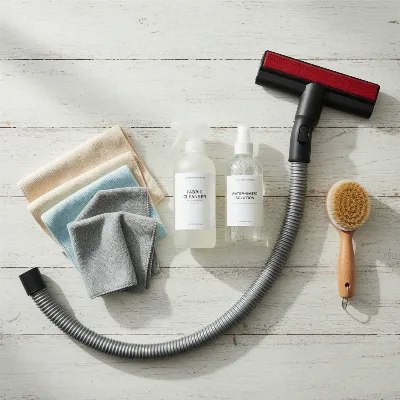 Tools for cleaning a fabric recliner chair: mild detergent, microfiber cloths, spray bottle, vacuum with upholstery attachment, and soft brush.
Thorough Drying
Proper drying is critical to prevent water stains, mildew, and unpleasant odors. After any wet cleaning method, ensure the recliner air dries completely. Open windows, use fans, or a dehumidifier to enhance airflow and speed up the drying process. Avoid using direct heat like hair dryers or portable heaters, as this can potentially damage the fabric or internal components. Do not use the recliner until it is absolutely dry to the touch, which can take several hours or even a full day.
Preventive Measures for Long-Lasting Cleanliness
Beyond active cleaning, proactive measures can significantly extend the life and pristine appearance of your fabric recliner.
Applying Fabric Protectors
Consider applying a fabric protector spray, especially if your recliner does not come pre-treated. These sprays create a barrier that repels liquids and makes it harder for stains to penetrate the fibers, allowing for easier cleanup of spills. Always follow the product manufacturer’s instructions for application and reapplication.
Using Slipcovers or Throws
For frequently used recliners or in homes with pets and children, removable slipcovers or decorative throws offer an excellent layer of protection against daily wear, spills, and pet hair. They are much easier to remove and clean than the entire recliner upholstery.
Strategic Placement
Direct sunlight can cause fabric to fade and degrade over time. Position your recliner away from windows or use curtains and blinds to shield it from harsh UV rays. Maintaining consistent room temperature and humidity also helps preserve the fabric’s integrity.
Conclusion
A clean and well-maintained fabric recliner is a source of comfort and pride in any home. By understanding your recliner’s specific fabric type and cleaning code, employing prompt action for spills, and utilizing gentle yet effective cleaning techniques, you can keep your chair looking fresh and inviting for years. Regular vacuuming, targeted spot cleaning, and occasional deep cleans, coupled with preventive measures, are the pillars of stain-free maintenance. With a little consistent care, your fabric recliner will continue to be the perfect spot to unwind. What simple change will you make to your recliner cleaning routine today?
Frequently Asked Questions
How often should I deep clean my fabric recliner?
It is generally recommended to deep clean your fabric recliner every three to four months, or as needed, depending on its usage and the presence of noticeable dirt or odors. Regular spot cleaning and weekly vacuuming help extend the time between deep cleans.
Can I use a regular carpet cleaner on my fabric recliner?
While some carpet cleaners may be suitable, it’s safer to use an upholstery cleaner specifically designed for furniture fabrics or follow your recliner’s care code. Carpet cleaners can sometimes be too harsh or leave excessive moisture, potentially damaging the upholstery or leaving residue.
What should I do if my recliner has an “S” cleaning code?
If your recliner has an “S” cleaning code, it means only solvent-based, water-free cleaning agents should be used. Water can cause damage. For best results and to avoid staining, it’s often advisable to consult a professional upholstery cleaner for “S” coded fabrics.
How can I prevent water stains when cleaning?
To prevent water stains, avoid over-wetting the fabric. Always dampen cloths lightly and wring out excess moisture. Using distilled water for cleaning solutions can minimize mineral deposits that cause water rings, and ensuring proper ventilation for quick drying is crucial.
Is it safe to use baking soda on all fabric types?
Baking soda is generally safe for most fabric types as an odor neutralizer and mild stain absorber. However, always perform a spot test on an inconspicuous area first to ensure it does not cause any adverse reactions, especially on delicate fabrics like silk or velvet.
What’s the best way to dry a fabric recliner after cleaning?
The best way to dry a fabric recliner after cleaning is by air drying. Ensure good ventilation in the room by opening windows or using fans. Avoid using direct heat sources like hair dryers or space heaters, as these can damage the fabric or cause uneven drying, leading to watermarks.
