The comforting embrace of a recliner chair is a luxury many homeowners cherish, offering an ideal spot for relaxation, reading, or watching television. However, the smooth, polished surface of hardwood floors, while aesthetically pleasing, often presents a common challenge: a recliner that relentlessly slides out of position with every subtle shift or recline. This constant movement can be frustrating, diminish the sense of stability, and even scratch your beautiful flooring. Imagine finally settling into your favorite ergonomic position, only for your chair to drift across the room, leaving you feeling less than perfectly supported. This guide is your ultimate resource to understanding why your recliner might be sliding and, more importantly, how to effectively stop a recliner chair from sliding on hardwood, ensuring it remains a steadfast haven in your home.
Recliner Chairs: An Overview and Their Stable Benefits
A recliner chair is more than just a seat; it’s a dynamic piece of furniture designed for ultimate comfort and support. Defined by its ability to recline backward, elevating the front footrest, it transforms from an upright chair into a luxurious lounging apparatus. The mechanism can be manual, activated by a lever or push-back motion, or electric, allowing for effortless adjustments with the touch of a button. Historically, recliners have evolved from simple designs in the early 20th century to sophisticated models featuring advanced massage, heating, and power lift functions, catering to diverse needs and preferences.
The benefits of a well-placed and stable recliner chair are numerous. Beyond providing a superior level of comfort for general relaxation, recliners can significantly improve posture and alleviate back pain by offering full support to the spine and legs in various positions. The ability to elevate the legs also aids in improving blood circulation, reducing swelling, and easing tension after a long day. A stable recliner enhances these benefits, ensuring that every recline is smooth and secure, contributing to a truly tranquil and stress-reducing experience without the annoyance of unwanted movement.
Understanding Why Recliner Chairs Slide on Hardwood
Before diving into solutions, it’s crucial to understand the fundamental reasons why your recliner chair might be sliding on a hardwood floor. The primary culprit is often the lack of sufficient friction between the chair’s feet and the slick surface of the wood. Most recliners come with plastic glides, small felt pads, or sometimes no protection at all on their legs. While felt pads are excellent for protecting floors from scratches, they offer minimal resistance against movement, essentially making the chair “glide” too easily.
Several factors contribute to this slipperiness. The weight distribution of a recliner shifts dramatically when it’s in use, especially as you lean back, push off the floor, or get up, creating moments of imbalance that encourage sliding. The smooth finish of hardwood floors, whether sealed or polished, inherently has a low coefficient of friction with many common chair leg materials. Furthermore, if the floor is uneven, even slightly, or if there’s any dust or debris accumulated under the chair legs, it can further reduce grip and exacerbate the sliding issue. Recognizing these underlying causes is the first step toward implementing an effective and lasting solution.
Stopping the Slide: Effective Solutions for Recliner Chairs
Addressing a recliner chair that slides on hardwood floors involves a range of solutions, from simple attachable pads to more substantial furniture pieces. Choosing the right method depends on the severity of the sliding, your recliner’s design, and your aesthetic preferences.
Anti-Slip Pads and Grippers
Anti-slip pads are one of the most common and accessible solutions. These are typically applied directly to the bottom of your recliner’s legs and are designed to create friction.
- Rubber Gripper Pads: These are made from dense rubber or a rubber-like polymer. They offer excellent grip on hardwood floors due to their high friction coefficient. They come in various shapes and sizes, often with adhesive backing for easy application. Look for thick, durable options that won’t compress too much over time.
- Silicone Furniture Cups: Unlike flat pads, silicone cups encase the bottom of the recliner leg. This design provides superior stability by preventing the leg from moving within the cup and offering a large, grippy silicone surface area against the floor. They are particularly effective for recliners with smaller, more defined legs.
- Cork Pads: While not as aggressively grippy as rubber or silicone, cork pads offer a good balance of floor protection and moderate friction. They are often a natural, eco-friendly option and work well for recliners that only experience minor sliding.
|
Our Picks for the Best Recliner Chair in 2026
As an Amazon Associate I earn from qualifying purchases.
|
||
| Num | Product | Action |
|---|---|---|
| 1 | Garvee Elertric Recliner Chair with Memory Function PU Leather, Adjustable Single Recliners Sofa with Remote Control for Adults, Home Theater Seating &Armchair for Living Room/Office |

|
| 2 | MCombo Dual Motor Large Power Lift Recliner Chair for Elderly, Lay Flat Lift Chair with Heat and Massage, Big Lift Recliner for Tall People, Cup Holders, Fabric 7896 (Large, Dark Gray) |
|
| 3 | Tiita Lazy Chair with Ottoman, Gray Modern Large Accent Chair, Comfy Leisure Sofa Armchair with Ottoman, Reading Chair with Footrest for Bedroom, Living Room, Dorm Rooms, Garden Dark Grey |
|
| 4 | Plush Linen Fabric Massage Rocker Recliner Chair Oversized Design with Manual Massage and Heat Two Cup Holders and USB Port for Living Room (Blue) |
|
| 5 | Recliner Chair,Electric Adjustable Chenille Recliner with Remote Control and Padded Backrest,Home Theater Recliner Single Sofa Seat with Thick Seat Cushion for Living Room Bedroom (Grey) |
|
| 6 | Garvee Elertric Recliner Chair with Memory Function Adjustable Single Recliners Sofa with Remote Control for Adults, Home Theater Seating &Armchair for Living Room/Office (Light Khaki, Fabric) |
|
| 7 | MAXYOYO Accent Chair with Ottoman Adjustable Backrest, Tufted Living Room Chair Upholstered Lounge Chair with Footrest Set, Modern Chair Cozy Reclining Chair for Reading Room, Green |
|
| 8 | Lazy Chair with Ottoman, Large Dark Grey Accent Chair with Ottoman, Comfy Reading Armchair, Leisure Sofa Chair for Living Room, Bedroom, Dorm Room, Office |
|
| 9 | Power Recliner Chair for Adults with Massage and Heat, Swivel Oversized Leather Recliner Chair with USB Ports & Side Pockets for Living Room (22" Medium-Seat Width,Gray) |
|
| 10 | Signature Design by Ashley Foreside Contemporary Nuvella Manual Rocker Recliner with Head-Neck Support and Pillow-Top Arms, Gray |
|
Area Rugs and Rug Pads
Introducing an area rug is an aesthetic and highly effective solution, not just for stopping a recliner from sliding but also for adding warmth, color, and texture to a room.
- Area Rugs: A rug placed beneath the recliner provides a soft, fibrous surface that inherently offers more friction than hardwood. The weight of the recliner also helps anchor the rug.
- Non-Slip Rug Pads: To maximize effectiveness, an area rug should always be paired with a high-quality non-slip rug pad underneath. These pads are specifically designed with a grippy, open-weave structure (often made from rubber or PVC) that adheres to both the rug and the hardwood, preventing both the rug and the recliner from shifting. They also offer an extra layer of cushioning and floor protection.
Furniture Stoppers and Wheel Chocks
For recliners with caster wheels or specific leg designs, specialized stoppers can be the best choice.
- Furniture Stoppers/Caster Cups: These are typically made of rubber or plastic and have a recessed center to hold furniture legs or caster wheels securely. They provide a stationary base that prevents movement. For recliners with heavy-duty casters, consider solid rubber wheel chocks that completely block the wheel’s rotation.
- Adjustable Levelers with Rubber Bases: Some recliners come with adjustable levelers. If yours does, you can replace the existing feet with levelers that have a built-in rubber base, providing both stability and the ability to compensate for uneven floors.
DIY Solutions
For a quick fix or if you prefer a more hands-on approach, several household items can be repurposed.
- Rubber Matting: Cut pieces from an old rubber mat (like a car mat or exercise mat) to fit under each recliner leg. The textured rubber will provide significant friction.
- Bicycle Inner Tubes: Old bicycle inner tubes can be cut into small squares or circles and placed under the recliner legs. The durable rubber offers excellent grip.
- Shelf Liner: While less robust than thick rubber, non-adhesive rubberized shelf liner can provide a temporary or light-duty solution when cut to size and placed under the legs.
Comparative Analysis of Anti-Slide Solutions
Choosing the ideal method to prevent your recliner from sliding requires weighing various factors, including effectiveness, cost, ease of installation, and aesthetic impact.
| Solution Type | Mechanism | Effectiveness | Cost | Installation | Pros | Cons |
|---|---|---|---|---|---|---|
| Rubber Gripper Pads | Increased friction | High | Low-Medium | Easy (adhesive) | Inexpensive, discreet, highly effective. | May need occasional replacement, less stable for heavy chairs. |
| Silicone Furniture Cups | Encased leg, high friction | Very High | Medium | Easy (place leg in) | Excellent stability, durable, protects floors. | May be visible, need to match leg size. |
| Area Rug + Rug Pad | Surface friction, weight | Very High | Medium-High | Moderate | Enhances decor, significant stability. | Higher cost, requires more space, visible. |
| Furniture Stoppers/Caster Cups | Leg/wheel containment | Very High | Low-Medium | Easy (place leg in) | Very secure, prevents specific leg types from moving. | May be visible, only for specific leg designs. |
| DIY Rubber Solutions | Direct friction | High | Very Low | Moderate (cutting) | Virtually free, effective. | May look less polished, less durable than commercial. |
When selecting, consider the weight and frequency of use of your recliner. For heavy, frequently used recliners, a combination of solutions, such as an area rug with a high-quality pad, paired with discreet silicone cups or robust rubber pads, often yields the best results. For lighter recliners or those used less often, simple adhesive rubber pads may suffice.
Your Buying Guide: Selecting the Right Anti-Slide Solution
Making an informed decision about how to stop your recliner chair from sliding on hardwood requires a careful assessment of your specific situation.
Identify Your Usage Needs
- Who will use the recliner? If it’s for elderly individuals or those with mobility issues, maximum stability is paramount to prevent falls.
- What is the primary purpose? A recliner used daily for watching movies and frequent reclining will require a more robust solution than one used occasionally for reading.
- What is your budget? Solutions range from inexpensive DIY options to more significant investments in area rugs and high-end rug pads. Determine how much you’re willing to spend for lasting stability.
Key Factors to Consider
- Recliner Dimensions and Weight: Heavier recliners exert more force and require stronger anti-slip properties. Measure the size of your recliner’s legs or base to ensure any pads or cups will fit correctly.
- Leg Design: Does your recliner have four distinct legs, a pedestal base, or caster wheels? Solutions like silicone cups are ideal for individual legs, while caster cups are necessary for wheeled recliners.
- Floor Type and Finish: While the focus is hardwood, consider if your floor has a very high-gloss finish, which can be even more slippery. Ensure any chosen product is safe for your specific floor type and won’t leave marks or residue.
- Aesthetics: Some solutions, like area rugs, are highly visible and contribute to your room’s decor. Others, like small rubber pads, are designed to be almost invisible. Consider how important discretion is to you.
- Durability and Brand Reputation: Opt for products from reputable brands known for quality. Read reviews to gauge real-world performance and longevity.
Tips for Testing Before Committing
Before fully committing to a solution, especially for larger purchases like area rugs, consider these steps:
- Test in a small area: If using adhesive pads, apply one to a less visible leg first to ensure it adheres well and doesn’t cause any floor discoloration (though rare with quality products).
- Simulate use: Once a solution is in place, sit in the recliner and go through all its motions – reclining, sitting up, shifting weight – to confirm it stays firmly in place.
- Observe over time: Some minor sliding might still occur initially. Give the solution a few days to settle and perform under regular use before making a final judgment.
> “Ensuring your recliner chair is stable on hardwood floors isn’t just about convenience; it’s a critical safety measure, especially for households with children or seniors. Investing in quality anti-slip solutions provides peace of mind and preserves the integrity of both your furniture and your flooring.” – John Davis, Furniture Stability Expert
Top Picks: Highly-Rated Recliner Anti-Slide Solutions
Based on effectiveness, durability, and user satisfaction, here are some top recommendations for stopping your recliner chair from sliding on hardwood.
- X-PROTECTOR Furniture Grippers (Rubber Pads): These highly-rated, square or round rubber pads come with strong adhesive backing and are available in various sizes. They offer excellent grip, are discreet, and are very affordable. They are ideal for most recliners with traditional legs.
- SlipToGrip Gorilla Grip Furniture Pads (Silicone Cups): For superior hold, these silicone furniture cups are designed to cradle chair legs, preventing any lateral movement. Their heavy-duty construction and textured bottom provide an incredibly stable foundation, perfect for recliners that see heavy use.
- RUGPADUSA Felt + Rubber Rug Pad: If you’re opting for an area rug, a high-quality rug pad like this one is essential. It combines a dense felt upper for cushioning with a natural rubber base for non-slip grip, ensuring your rug and recliner stay put.
- Clear Caster Cups (for wheeled recliners): For recliners on wheels, clear, heavy-duty plastic or rubber caster cups are a must. They effectively block wheel movement while remaining discreet.
Remember to choose products that match the size and style of your recliner’s legs for optimal performance and aesthetics. Always measure your recliner’s leg base before purchasing pads or cups.
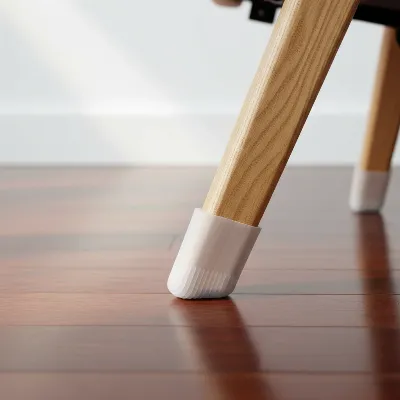 A recliner chair leg with a clear silicone furniture cup gripping a hardwood floor, illustrating stability and floor protection.
Maintaining and Cleaning Your Anti-Slide Solutions
Once you’ve successfully stopped your recliner chair from sliding, regular maintenance of your chosen anti-slide solutions will ensure their longevity and continued effectiveness.
Cleaning Different Material Types
- Rubber/Silicone Pads & Cups: These are generally low-maintenance. Wipe them periodically with a damp cloth to remove dust and debris that can accumulate and reduce friction. For stubborn grime, a mild soap solution can be used, followed by thorough drying.
- Rug Pads: If your rug pad is visible or you notice dust buildup, you can vacuum it gently or shake it out outdoors. Some rubberized rug pads can be spot-cleaned with a mild detergent. Always refer to the manufacturer’s cleaning instructions.
- Area Rugs: Follow standard rug cleaning practices, including regular vacuuming. For spills or stains, address them immediately according to the rug’s material recommendations.
Tips for Prolonging Effectiveness
- Avoid Harsh Chemicals: When cleaning your floors or furniture, ensure that any chemicals used do not degrade the material of your anti-slide pads or leave a slippery residue that could compromise their grip.
- Check for Wear and Tear: Periodically inspect your anti-slip pads or cups for signs of wear, compression, or damage. Over time, rubber can harden or lose its elasticity, and adhesive can weaken. Replace worn-out components promptly to maintain optimal stability.
- Reposition if Necessary: If you frequently move your recliner for cleaning or redecorating, ensure that the anti-slip solutions are correctly repositioned underneath the legs each time to maximize their contact with the floor.
- Keep Floors Clean: Even the best anti-slip solutions can be compromised by a layer of dust, pet hair, or tiny debris on the hardwood floor. Regular sweeping or vacuuming of the area around your recliner will help maintain maximum friction.
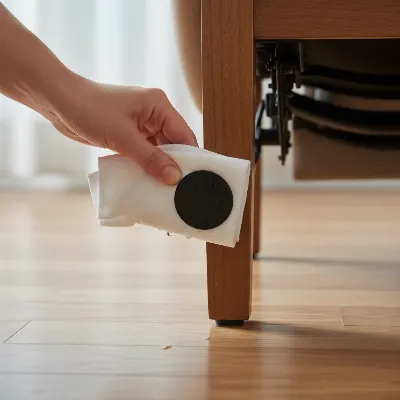 A person inspecting and cleaning a rubber anti-slip pad under a recliner chair on a hardwood floor, ensuring long-term stability.
Conclusion
A recliner chair should be a source of unwavering comfort, not a moving hazard on your hardwood floors. By understanding the causes of sliding and exploring the diverse range of solutions available, you can effectively stop a recliner chair from sliding on hardwood, reclaiming its rightful place as a stable and reliable haven in your home. Whether you opt for discreet rubber pads, robust silicone cups, or the comprehensive stability offered by an area rug with a quality pad, the key is to choose a solution that aligns with your recliner’s design, your floor’s characteristics, and your personal needs. Investing a little time and effort into this common problem will significantly enhance your lounging experience, offering both peace of mind and the preservation of your beautiful flooring.
What anti-slide solution have you found most effective for your recliner, and why?
Frequently Asked Questions
How do I know which anti-slip product is best for my specific recliner chair?
To determine the best product, first identify the type of legs your recliner has (e.g., individual wooden legs, a pedestal base, or caster wheels). Then, consider the recliner’s weight and how often it’s used. Heavier, frequently used recliners benefit from robust solutions like silicone cups or a combination of an area rug and a non-slip pad.
Can adhesive anti-slip pads damage my hardwood floors?
High-quality adhesive anti-slip pads are generally designed to be safe for hardwood floors and should not cause damage or leave residue when removed properly. However, always ensure the floor is clean and dry before application, and avoid leaving them on for extremely long periods in direct sunlight, which could potentially affect some finishes.
Is an area rug alone enough to stop a recliner from sliding?
While an area rug provides more friction than bare hardwood, it often isn’t enough on its own, especially if the recliner is heavy or moves frequently. For optimal stability, it’s highly recommended to pair an area rug with a high-quality non-slip rug pad underneath.
How often should I replace anti-slip pads under my recliner?
The lifespan of anti-slip pads depends on their material, quality, and how often the recliner is used. Generally, inspect them every 6-12 months. Replace them if you notice significant compression, hardening, cracking, or if the recliner starts to slide again, indicating the pads have lost their effectiveness.
Can I use super glue to attach anti-slip pads for a stronger hold?
It is generally not recommended to use super glue or other permanent adhesives to attach anti-slip pads. This can make the pads impossible to remove without damaging the recliner legs or the floor. Most quality pads come with strong enough adhesive, or are designed to fit securely without it.
